
-
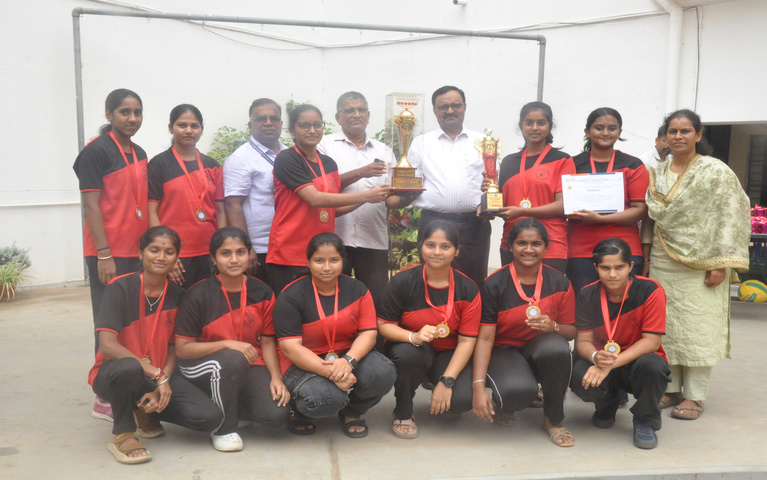
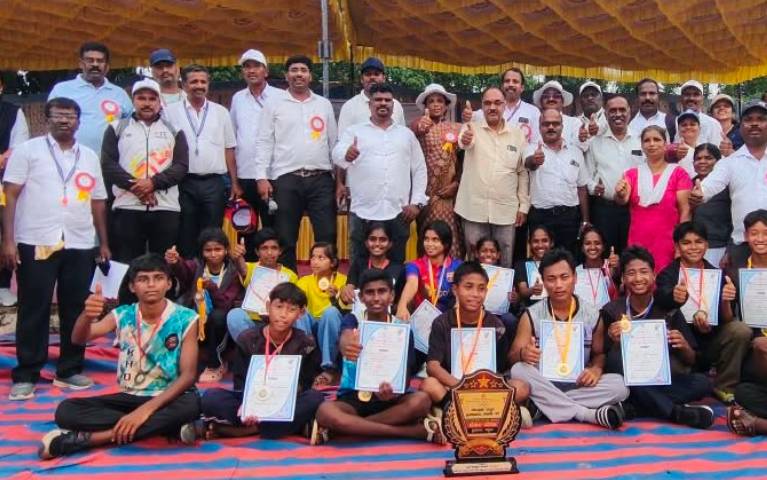
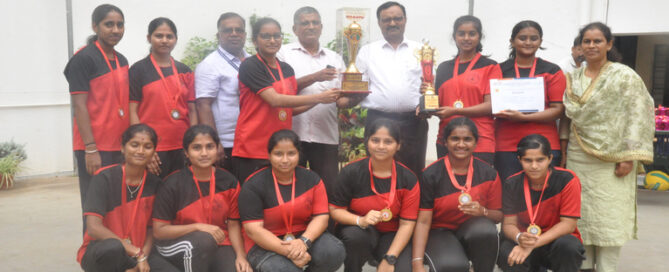 Our college’s throwball team secured first place at the 111th Jayanti Commemoration Sports Meet 2026–27, held at JSS University of Science and Technology, Mysuru, on October 1, 2026. Gallery
Our college’s throwball team secured first place at the 111th Jayanti Commemoration Sports Meet 2026–27, held at JSS University of Science and Technology, Mysuru, on October 1, 2026.

Sports Achievement
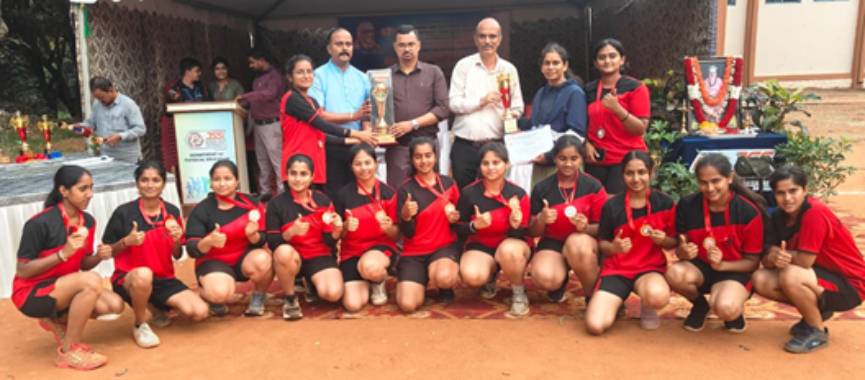
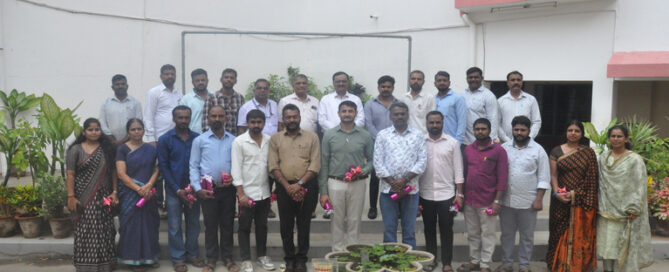
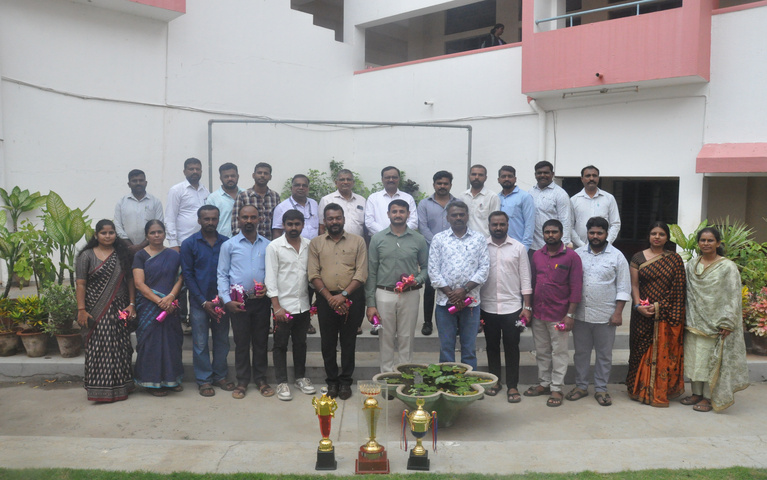
As part of the National Sports Day celebrations, the Department of Physical Education organized sports competitions for students, faculty and non-teaching staff on the college grounds on September 29, 2026. Prizes were awarded to the winners.
-
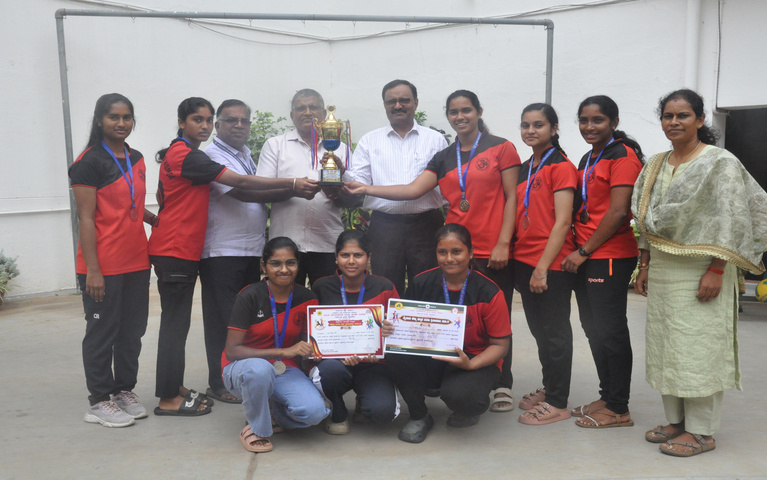
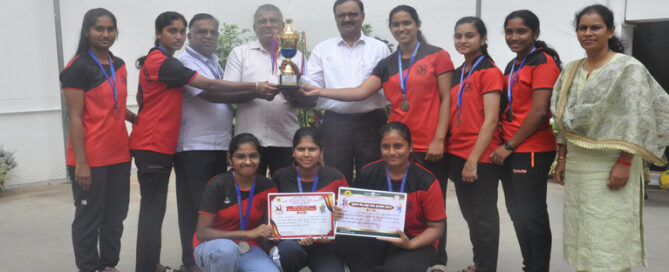 Our college’s Kabaddi team secured second place at the District-Level Dasara CM Cup Sports Meet held at Chamundi Vihar Stadium, Mysuru, on September 24, 2026. Gallery
Our college’s Kabaddi team secured second place at the District-Level Dasara CM Cup Sports Meet held at Chamundi Vihar Stadium, Mysuru, on September 24, 2026.
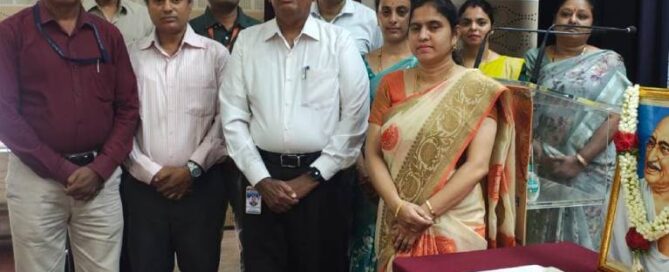
Gandhiji Was a Symbol of Organisation and Struggle: Dr. S. Ramya
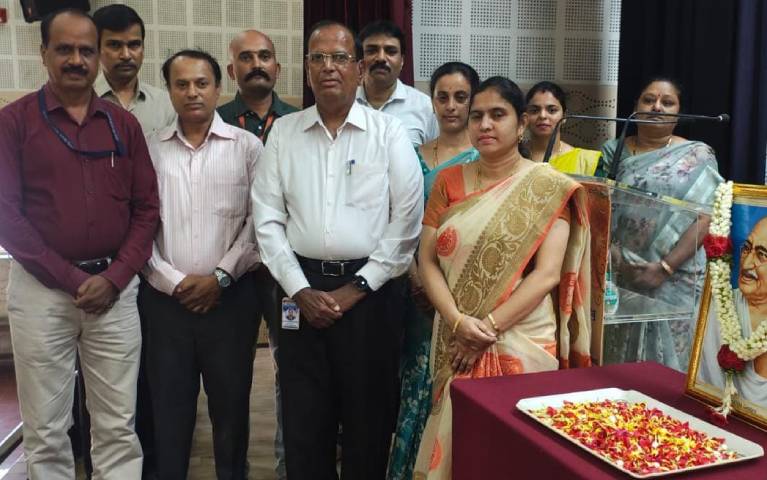
Mysuru, October 2, 2026: “Mahatma Gandhi began his struggle against discrimination while he was in South Africa. He protested against the discrimination faced by Indians in a foreign land, organised the Indian community there and fought against discriminatory practices, including separate entry arrangements imposed on Indians. He never hesitated to organise people and struggle against injustice and inequality. Gandhiji was truly a symbol of organisation and struggle,” said Dr. S. Ramya, Head of the Department of Sociology, Karnataka State Open University.
She was speaking as the chief guest at the 157th birth anniversary celebrations of Mahatma Gandhi held at JSS Arts, Commerce and Science College, Ooty Road, Mysuru.
Dr. Ramya said that Gandhiji’s values and ideals should be adopted in everyday life. “Gandhi Jayanti should not remain merely a ceremonial celebration. We must resolve to keep Gandhiji’s values and ideals alive in Indian society,” she said.
Presiding over the programme, Prof.
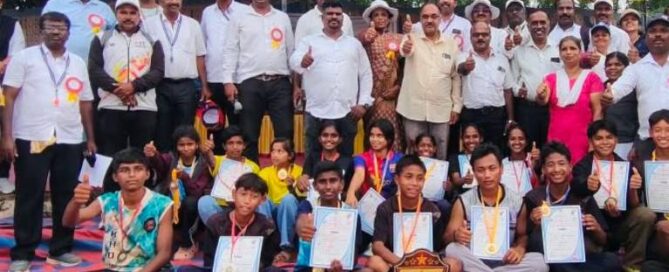
JSS Higher Primary School Wins Overall Athletics Championship, Qualifies for District Level
Suttur, October 1, 2026: Students of JSS Higher Primary School delivered an impressive performance at the taluk-level athletics meet organised by the Department of School Education and Literacy at the Nanjangud Junior College Stadium. The school secured 43 points in the boys’ category and 28 points in the girls’ category, for a total of 71 points, winning the overall championship and qualifying for the district-level competitions.
In the boys’ category, Betaraj secured first place in the 100-metre race. Lambasalam won second place in the 200-metre race, while John Tho secured second place in the 400-metre race. Appa Vadang won third place in the 600-metre race.
Nansam secured first place in the shot put, while Yashwanth won second place. Nansam also secured first place in the discus throw. Girish won first place in the long jump, while Pawang secured second place in the high jump.
Betaraj and his team won first place in the 4×100-metre relay. With a total of 10 points, Nansam emerged as th
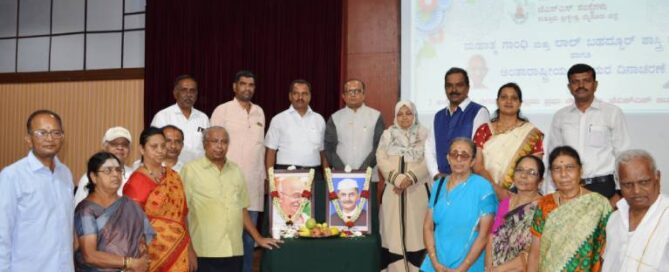
Gandhi Jayanti, Lal Bahadur Shastri Jayanti and International Day of Older Persons Observed at Suttur JSS
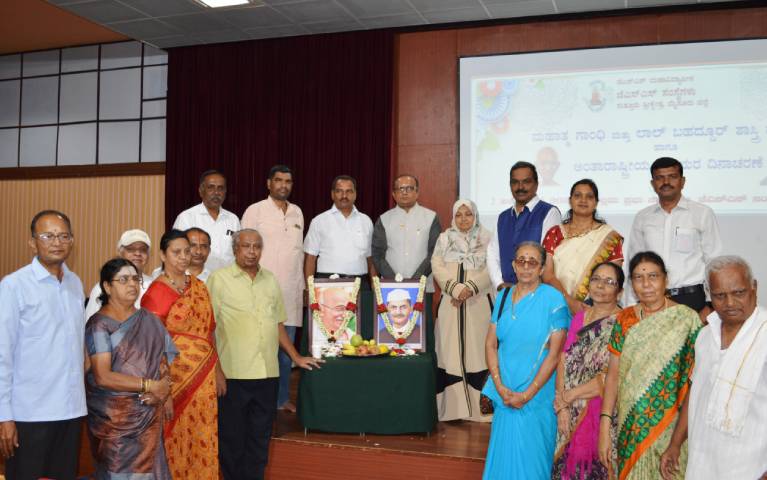
Mahatma Gandhi Jayanti, Lal Bahadur Shastri Jayanti and International Senior Citizens’ Day were observed under the auspices of Suttur JSS Educational Institutions. Seen in the picture are Dr. P. S. Fatima, Registrar of Mandya University of Agricultural Sciences; Dr. B. N. Gyanesh, Head of KVK; heads of the institution, senior citizens and staff members.
Suttur, October 2, 2026: Gandhi Jayanti, Lal Bahadur Shastri Jayanti and the International Day of Older Persons were meaningfully observed under the auspices of Suttur JSS Educational Institutions, on October 2, 2026.
Speaking on the occasion, Dr. P. S. Fatima, Registrar, Mandya University of Agricultural Sciences, said that Mahatma Gandhi dedicated his entire life to securing India’s independence through the powerful principles of truth and non-violence. Through historic movements such as the Dandi March, Non-Cooperation Movement and Quit India Movement, he united the people of the country in the struggle for freedom.
She said that simple living and high thinking formed the essence of Gandhiji’s philosophy. By wearing khadi, he also spread the message of self-reliance and encouraged people to support indigenous products and values.
Referring to former Prime Minister Lal Bahadur Shastri, Dr. Fatima said that although his childhood was filled with hardships, he remained steadfast in his honesty, simplicity and patriotism. He dedicated his entire life to the service of the nation and provided effective leadership during the 1965 Indo-Pakistan War.
She recalled that India was facing a severe food shortage during that period, and Shastri appealed to the people to voluntarily skip one meal as part of the national effort to overcome the crisis and safeguard the country’s self-respect. His famous slogan, “Jai Jawan, Jai Kisan,” continues to remind the nation of the invaluable contributions of soldiers and farmers, she said.
Speaking about the International Day of Older Persons, observed on October 1, Dr. Fatima said the occasion provides an opportunity to recognise the invaluable contributions of senior citizens and to discuss the opportunities and challenges associated with an ageing global population. She stressed that the present generation has a responsibility to safeguard the rights, dignity and healthcare needs of senior citizens.
Addressing the gathering, Dr. B. N. Gnanesh said that today’s youth should imbibe Mahatma Gandhi’s ideals of simplicity, harmony and peaceful coexistence. Gandhiji’s principles, he said, continue to inspire citizens to stand up for freedom, rights, education and equality, and to fight against corruption and exploitation.
He described Lal Bahadur Shastri as an honest and highly capable leader known for his humility, tolerance, inner strength and determination. Shastri understood the aspirations of ordinary people and was a visionary who guided the nation towards progress. He added that Lal Bahadur Shastri was deeply influenced by the political philosophy and ideals of Mahatma Gandhi.
Dr. Gyanesh also expressed concern over the decline of the joint family system, which, he observed, has contributed to an increase in the number of old-age homes. He advised the younger generation to cultivate the values of togetherness, mutual respect and caring for elders within the family.
Shri M. G. Basavanna, Headmaster of JSS High School, delivered the introductory remarks and welcomed the gathering. Students of the school rendered the invocation. Smt. H. V. Divya compered the programme, while Shri Shamraj proposed the vote of thanks.
The heads of the institution, senior citizens, staff members and students were present at the programme.
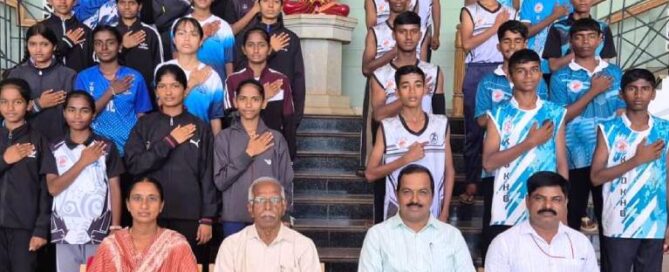
Suttur JSS High School Wins Overall Honours at Taluk-Level Sports Meet
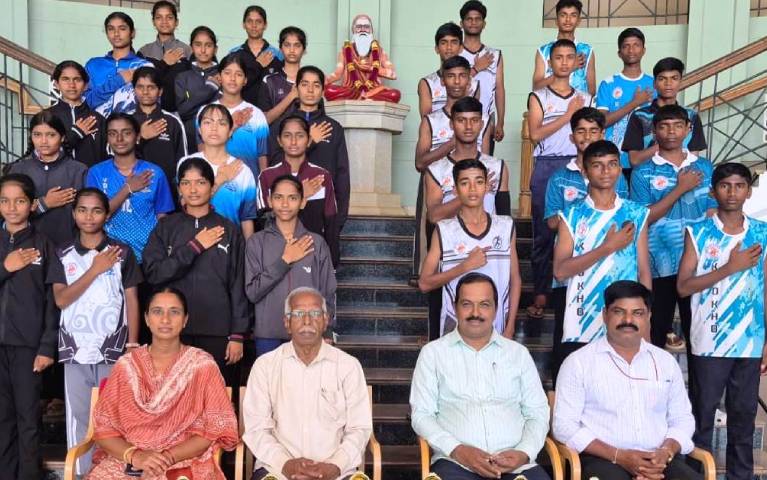
Athletes of Suttur JSS Residential School, who won the overall championship at the taluk-level sports meet held at Nanjangud Taluk Stadium and qualified for the district-level competitions, are seen with their principals and physical education teachers who trained and guided them.
Suttur, October 2, 2026: Sportspersons from Suttur JSS High School delivered an impressive performance at the taluk-level sports meet organised by the Department of School Education and Literacy at the Nanjangud Taluk Stadium. The students won overall honours in various athletic events, with several of them qualifying for the district-level competitions.
In the boys’ athletics category, Sharath Prasad secured first place in the 100-metre race and second place in the 200-metre race. Mahantesh Nayak won second place in the 100-metre race and second place in the long jump. Basavaraj secured second place in both the 3,000-metre and 400-metre races. Sanju B. won second place in the 5,000-metre walk, while Pawan Marigowda secured third place.
Sharath Prasad and his team won first place in the 4×100-metre relay, while Gunasheetal and his team secured first place in the 4×400-metre relay. They qualified for the district-level competitions.
In the girls’ athletics category, Yogini Girish Hosamani secured first place in the high jump and third place in the 100-metre race. Shweta C. won first place in the 200-metre race, while Lakshmi secured second place. Shubhashree won first place in the 1,500-metre race and second place in both the 400-metre and 800-metre races.
Rakshita secured first place in the triple jump, Manvita won second place in the 3,000-metre race, and Chandan secured third place in the 3-km walk. Sanjana won third place in the 400-metre race. Satyapriya secured second place in the wheel throw, while Jinalaxmi won third place in the javelin throw. Amrutha secured third place in the 100-metre race.
Shubhashree and her team secured second place in the 4×100-metre relay, while Rakshita and her team won second place in the 4×400-metre relay. They were also selected to participate at the district level.
The administrators of the institution, principals, headmasters and teaching staff congratulated all the students on their achievements and wished them success in the upcoming district-level competitions.
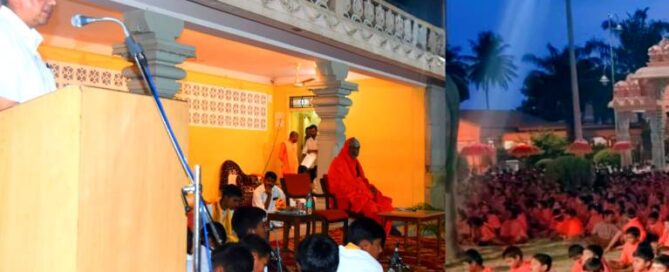
Suttur Srikshetra is a Sacred Spiritual Centre: K. N. Radhakrishnan
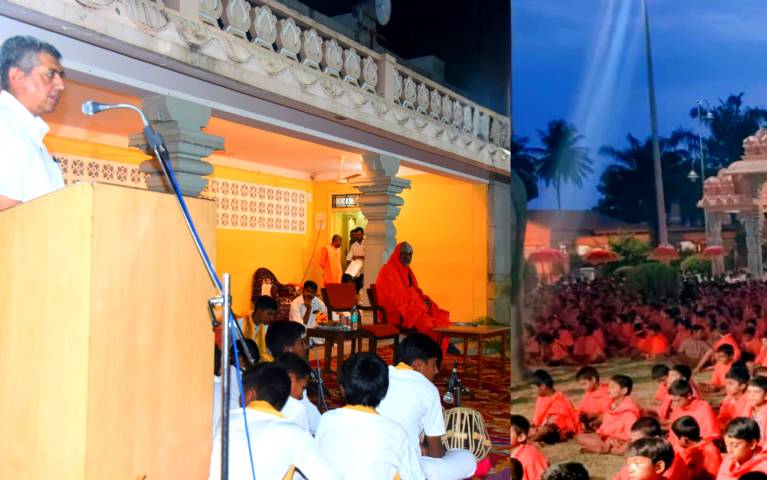
TVS Company Director and CEO Shri K. N. Radhakrishnan addressing thousands of students of JSS Residential School at a prayer meeting held in the divine presence of His Holiness Jagadguru Shri Shivaratri Deshikendra Mahaswamiji during his visit to Suttur Srikshetra.
Suttur, September 30, 2026: Suttur Srikshetra is a sacred spiritual centre with a rich heritage of service to society, said Sri K. N. Radhakrishnan, Director and CEO of TVS Company, while addressing the students of JSS Residential School at a prayer meeting held in the divine presence of His Holiness Jagadguru Sri Shivaratri Deshikendra Mahaswamiji during his visit to the Srikshetra.
Speaking on the occasion, Sri K. N. Radhakrishnan said that it was his privilege to have the darshan of the Lord and receive the blessings of His Holiness. He added that participating in the mass prayer along with the students gave him immense joy.
He said that the Srimath has a historical legacy spanning thousands of years and has been continuously making significant contributions in the fields of education, spirituality, religion and social service for the progress and welfare of society.
Sri Radhakrishnan appreciated the commendable work being carried out at Suttur Srikshetra by providing free education to more than 4,000 students. He said that, in addition to imparting education, the institution is also inculcating culture and values among students and shaping them into responsible and good citizens.
His Holiness Jagadguru Sri Shivaratri Deshikendra Mahaswamiji, in his blessings, referred to the inspiring journey of Sri K. N. Radhakrishnan and said that students should draw inspiration from his achievements. His Holiness observed that merely having a dream is not enough; sustained hard work and dedication are essential to turn dreams into reality.
His Holiness said that TVS Company has grown extensively over the years and that its manufacturing facility at Kadakola currently produces around 20 lakh two-wheelers annually. The company aims to increase its production to more than 30 lakh vehicles in the coming years.
He further noted that TVS vehicles are in demand not only in India but also in international markets.
His Holiness said that it was a matter of pride that Sri K. N. Radhakrishnan began his service with TVS Company and continues to discharge his responsibilities in the same organisation with dedication.
He also pointed out that TVS Company, apart from manufacturing two-wheelers, has been continuously involved in various social-service initiatives. These include the renovation and reconstruction of temples in rural areas, providing basic facilities to schools, construction of roads and other community-development activities.
Officials of JSS Mahavidyapeetha, heads of various institutions and others were present at the programme.
The students of the school rendered the prayer. Dr. S. Suryanarayana welcomed the gathering, while Sri Andaiah Shirooramath compered the programme and proposed the vote of thanks.
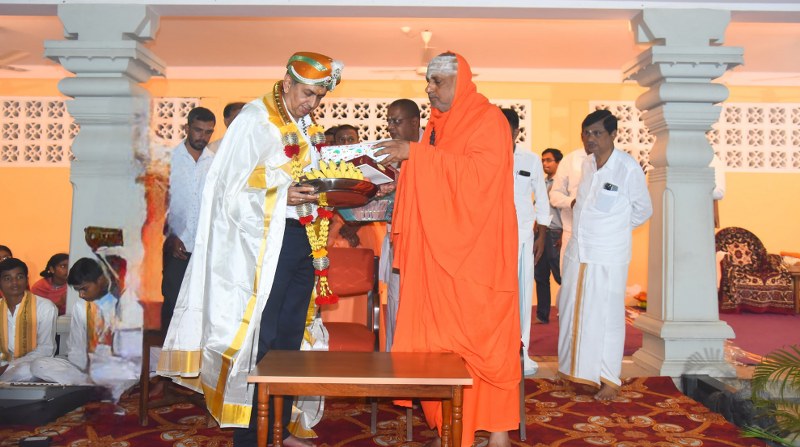
At Suttur Srikshetra, His Holiness Jagadguru Sri Shivaratri Deshikendra Mahaswamiji blessed and felicitated TVS Company Director and CEO Sri K. N. Radhakrishnan during the prayer meeting of JSS Residential School.
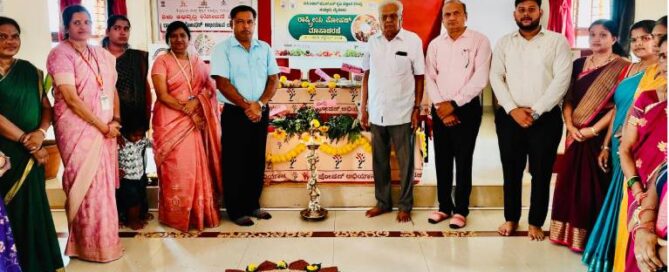
Training Programme for Anganwadi Workers Held as Part of National Nutrition Month 2026
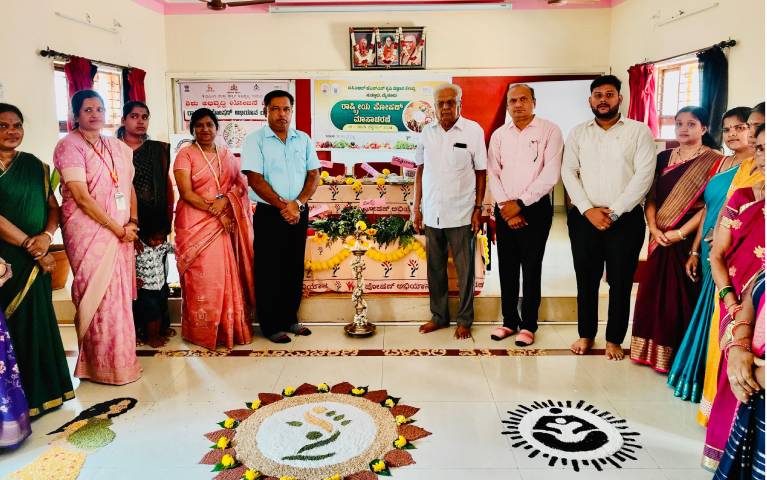
Suttur, September 30, 2026: As part of National Nutrition Month 2026, ICAR–JSS Krishi Vigyan Kendra, Suttur, in association with the Child Development Project, Biligere, Department of Women and Child Development, Nanjangud Taluk, organised a training programme titled “From Nutrition to Prosperity: Training Programme for Anganwadi Workers on Health and Nutrition” at the Kupparavalli Anganwadi Centre on September 30, 2026.
The programme was inaugurated by Shri N. M. Shivashankarappa, Director of Horticulture, JSS Mahavidyapeetha. Speaking on the occasion, he stressed the important role of Anganwadi workers in ensuring that children receive a balanced and nutritious diet. He also urged them to take appropriate measures to improve nutrition among children and work towards the prevention and elimination of anaemia.
The Chief Guest, Shri Raghavendra, Child Development Project Officer, spoke about the various schemes implemented by the department and explained the significance of National Nutrition Month. He said that improving the nutritional status of children, pregnant women and lactating mothers is one of the major objectives of the department and Anganwadi workers. He also provided information on various departmental schemes related to maternal and child health and nutrition.
Smt. Shweta Hanchinmani, Nutritionist and Assistant Child Development Project Officer, said that National Nutrition Month is observed every year from September 1 to 30 as part of the Government of India’s Poshan Abhiyaan. She explained that the primary objective of the campaign is to create awareness among people about the importance of consuming a balanced and nutritious diet for a healthier life and to address problems such as malnutrition and anaemia.
She highlighted the importance of a balanced diet in improving the health and nutritional status of children, pregnant women and women in general. She also explained how families can improve their nutritional security by making effective use of locally available nutritious food items.
Smt. Sudha, Supervisor of the Biligere Child Development Project, spoke about establishing nutrition gardens in schools and Anganwadi centres in rural areas. She encouraged the cultivation of a variety of vegetables and green leafy vegetables and emphasised their regular use in daily meals.
Shri Shanthakumar, Development Officer of Biligere Panchayat, said that several welfare and development programmes are being extended to rural families through Gram Panchayats, either independently or in coordination with various government departments. He particularly highlighted initiatives aimed at improving the nutrition and living standards of women, children, pregnant women, adolescents and economically weaker families.
Presiding over the programme, Dr. B. N. Gnanesh, Senior Scientist and Head of ICAR–JSS Krishi Vigyan Kendra, said that the daily diet should contain adequate quantities of cereals and grains, pulses, green leafy vegetables, other vegetables, fruits, milk and milk products, along with other protein-rich foods. He emphasised that dietary diversity is essential because the body receives different nutrients only when a variety of foods are included in everyday meals.
Dr. Deepak, Subject Matter Specialist at the Centre, created awareness among the participants about the importance of a nutritious and balanced diet for children, along with child health and hygiene. He said that one of the key objectives of Poshan Maah is to encourage healthy eating habits and bring about necessary positive changes in lifestyle.
More than 50 women and children participated in the programme, contributing to its success.
Dr. Deepak welcomed the gathering, Smt. Divya H. V. compered the programme, and Dr. Vinayji M. proposed the vote of thanks.
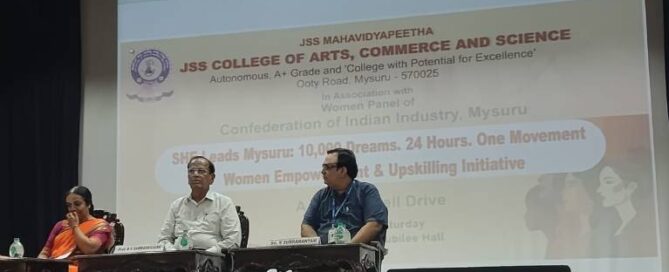
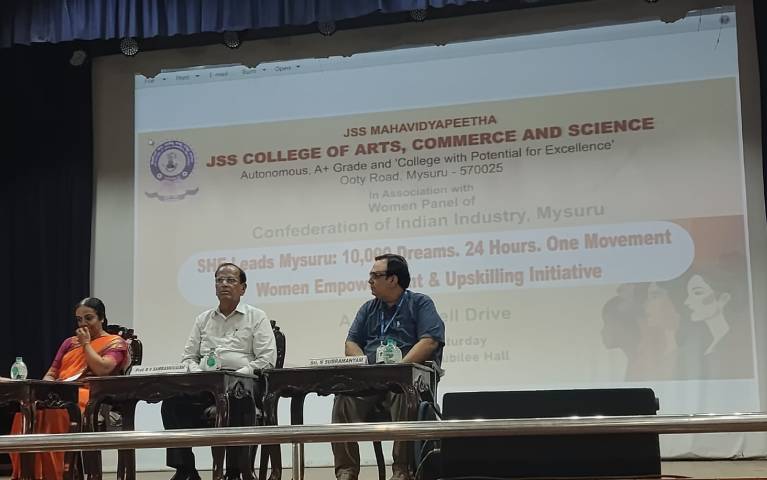
CII Women’s Committee and JSS College Organise ‘SHE Leads Mysuru – 10,000 Women’ Programme
Mysuru, September 30, 2026: The Women’s Committee of JSS Arts, Commerce and Science College, Ooty Road, Mysuru, in association with the Women’s Committee of the Confederation of Indian Industry (CII), Mysuru, organised the ‘SHE Leads Mysuru – 10,000 Women’ programme for students on Wednesday, September 30, 2026, at the Suvarna Mahotsava Hall of the college.
Addressing the students, Prof. B. V. Sambasivayya, Principal and Chief Executive Officer of the College, said that women must strengthen their abilities and enhance their capacity to contribute meaningfully to society and the nation in order to shape a better future.
He emphasised that self-confidence, leadership, entrepreneurship and decision-making are important qualities for women’s empowerment and progress. Leadership, he observed, is inherent in everyone. When a woman expresses her opinions without fear and takes sound decisions, her leadership qualities become evident. True leadership, he added, is not only about personal growth bu